
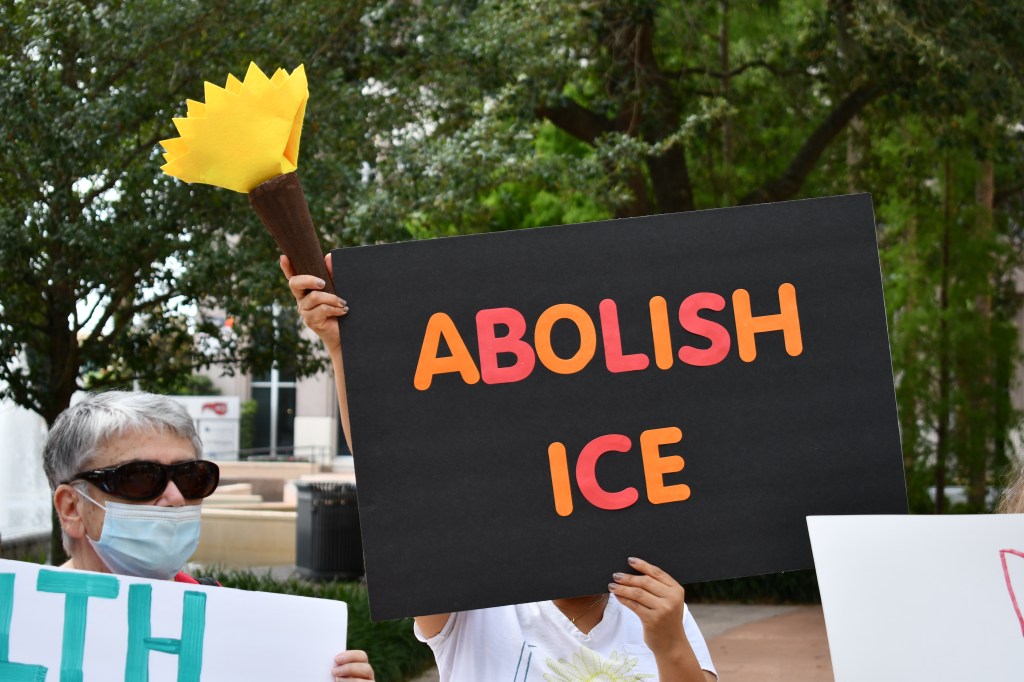
Former U.S. President Donald Trump’s antagonistic action against ‘sanctuary cities’ has inspired other lawsuits, but federal judges aren’t buying it.
Lawsuits that declare “sanctuary cities” as unconstitutional have outlived their inspiration from Donald Trump’s presidency, but federal judges remain unconvinced.
Shortly after assuming office in 2017, Trump issued an executive order stating federal funding would be withheld from any city or state deemed to be a sanctuary city. While there is no one, recognized definition of a sanctuary city, the label is generally given to regions with restrictions in place that prevent or discourage local law enforcement’s cooperation with U.S. Immigration and Customs Enforcement officers.
The sanctuary movement dates back to the 1980s when U.S. churches sheltered Central American immigrants who feared deportation. Today the term is applied to places that make it difficult for ICE agents to operate, such as refusing detainers, or holding a suspect after they have been released so immigration officers can take them into custody.
Police chiefs in sanctuary cities reason cooperation with ICE deters undocumented immigrants from interacting with local law enforcement, whether it be giving witness statement or seeking help as a the victim of a crime. Some undocumented immigrants refused to access their health clinics or social services out of fear of being detained, according to The Farmworker Association of Florida.
Trump’s issue with sanctuary cities was they posed danger to American citizens. “Every day, sanctuary cities release illegal immigrants, drug dealers, traffickers, gang members back into our communities,” Trump said. “They’re safe havens for just some terrible people.”
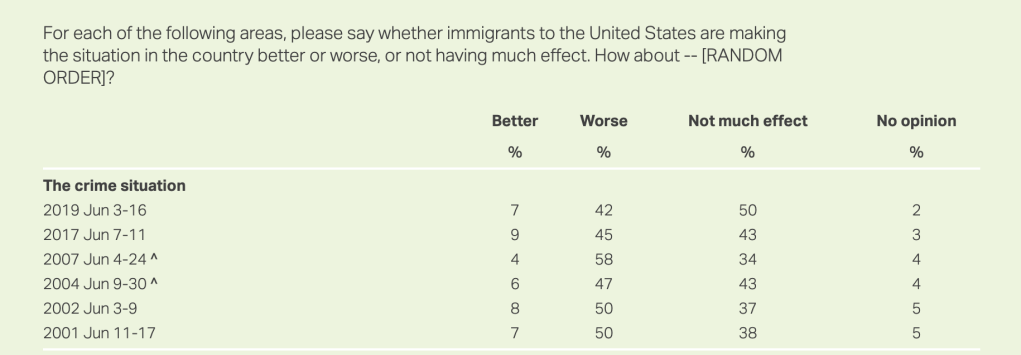
Trump claimed sanctuary cities “resulted in so many needless deaths.” A Gallup poll revealed as of 2019, 42% of Americans believed immigrants worsened crime rates.
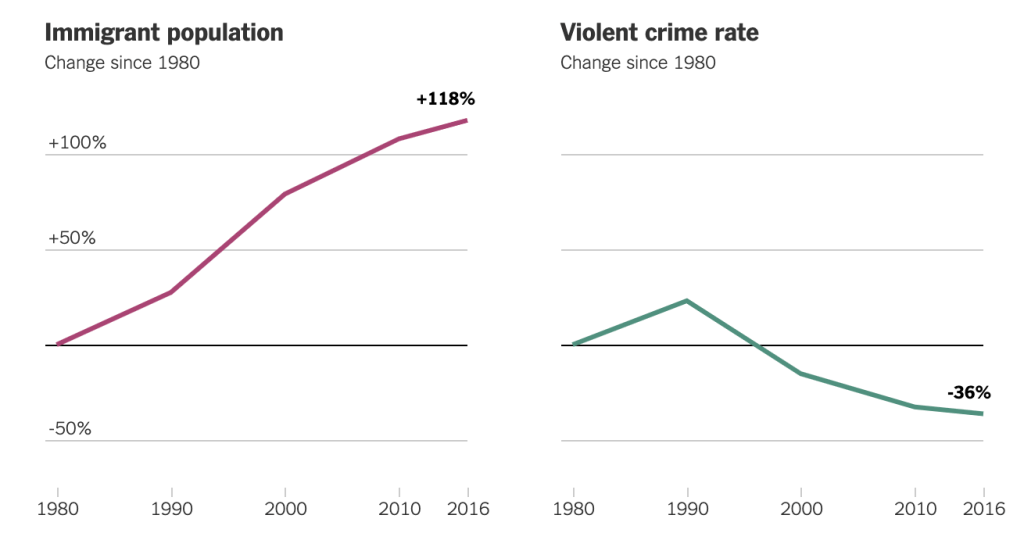
Yet a study led by Robert Adelamn from State University of New York at Buffalo resulted in violent crime decreasing, even as the U.S. immigrant population rose.
Even with the myth of the criminal immigrant dispelled, Trump filed lawsuits against sanctuary cities like California. Trump said uncooperative local police were a violation of Section 1373 of federal law, which prohibits local officials from impeding the exchange of information with federal agencies.
Courts that reviewed the slew of lawsuits generally marked the legal challenges as unconstitutional, according to a Congressional Research Service report from May 2019.
Although Trump’s lawsuits proved to be unsuccessful, successors to the anti-sanctuary city legacy persisted. Florida Governor Ron DeSantis attempted to implement a state-wide ban on sanctuary cities, but immigrant activist organizations took notice.
The city of South Miami, joined by organizations like the Florida Immigrant Coalition, filed a lawsuit against the ban. Federal Judge Beth Bloom blocked the state from enforcing the ban in her ruling on September 21, 2021.
Antonio Tovar is a board member of both the Florida Immigrant Coalition and The Farmworker Association of Florida. “The verdict validates what we said three years ago, Governor DeSantis pushed for a law that is not just racist, but unconstitutional,” Tovar said.
 gianna gronowski
Leave a comment